








By Haroon-Ishola Balogun
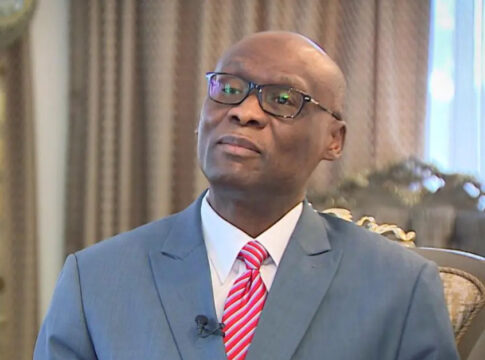
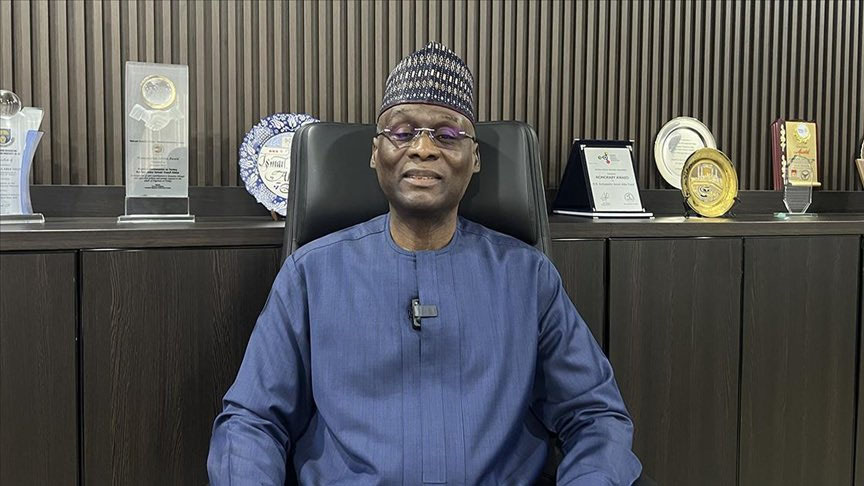
When The Federal Government announced the appointment of Ambassador Ismail Abba Yusuf as the new Chairman of the National Hajj Commission of Nigeria (NAHCON), it was more than a routine reshuffling of leadership. It was a statement of intent. For years, NAHCON has struggled with instability, inefficiency, and a worrying drift from the discipline and respect that once defined it. The appointment of Ambassador Yusuf, a seasoned diplomat with deep institutional memory, signals a return to seriousness—and perhaps, salvation.
To understand the weight of this appointment, one must recall the era of Barr. Abdullah Mukhtar, NAHCON’s former chairman whose nine-year tenure was marked by discipline, respect, and genuine service. Under Mukhtar, NAHCON was not a playground for self-serving reformists but a disciplined institution that commanded respect at home and abroad. His leadership was firm yet fair, visionary yet grounded. Pilgrims trusted the system, stakeholders cooperated, and Nigeria’s image in Saudi Arabia improved.
Ambassador Yusuf is cut from the same cloth. His career trajectory, spanning 35 years in the Foreign Service, is defined by discipline, integrity, and service. He is not a man of empty rhetoric but of results. His mold is that of Mukhtar—steady, principled, and uncompromising in the pursuit of genuine reform. And that is precisely what NAHCON needs today: a disciplined diplomat, not a pretender professing reforms for personal gain.
A commission in drift
Let us be blunt: NAHCON today has drifted. Leadership instability has eroded confidence. Between the head and the commissioners, HoDs and line staff leaving bruises on the entire system. Pilgrims complain of poor welfare, exploitative costs, and chaotic logistics. State boards clash with the commission, while Saudi authorities often express frustration at Nigeria’s disorganization. The resignation of Professor Abdullahi Saleh Usman in February 2025 was only the latest symptom of a deeper malaise. NAHCON has lost its compass. But we are on the way out of the doldrums. I’m not a pessimist, I believe the resignation of Pakistan is good just as the coming of Yusuf is poised to change things for the better.
Some, blinded by pessimism, parochialism and self-interest, have even declared that NAHCON is “back to square one.” One neophyte analyst, intoxicated by the delusion of his own importance, went so far as to spew nonsense about Pakistan being the model simply because one of his sheikhs just lost power. Such shallow commentary insults the intelligence of Nigerians and trivializes the enormity of the Hajj challenge. Those numbed by such delusions will soon be jolted by the reality of Ambassador Yusuf’s leadership.
The diplomat who helped birth NAHCON
Ambassador Yusuf is not a stranger parachuted into NAHCON. He was there at its inception. Between 2002 and 2007, he anchored the secretariat of the Presidential Committees on Hajj, laying the groundwork for NAHCON’s establishment in 2006. He studied Malaysia and Indonesia’s Hajj systems, admired for their efficiency, and helped adapt their models to Nigeria. The Hajj Savings Scheme, now a cornerstone of NAHCON’s financial planning, owes much to those early efforts. He also served as secretary to Federal Government delegations on Hajj in 2012 and 2013, gaining firsthand experience of the complexities of pilgrimage management.
This institutional memory is priceless. Yusuf knows NAHCON’s DNA. He understands its strengths, its failures, and its promise. He is not coming to learn on the job; he is coming to visualize what he helped start.
Confronting the leadership challenge
The real test for Yusuf will be leadership. NAHCON’s staff have welcomed his appointment, but goodwill alone is not enough. He must confront entrenched interests, streamline operations, and enforce accountability. Corruption and favoritism have plagued the commission. Pilgrims pay exorbitant fees yet receive incommensurate services. Hajj slots in high level manipulation, sometimes put on sale to satisfy personal interest. Hajj services procurement are shielded in secrecy, hajj pricing done to reap off pilgrims, if the presidency had not waded in with a matching order, pilgrims would have paid excess of about N1million. These failures are not just administrative—they are moral. For many pilgrims, Hajj is a once-in-a-lifetime spiritual journey. To mishandle it is to betray their faith.
Yusuf must therefore lead with firmness. His diplomatic tact must be matched with uncompromising integrity. He cannot afford to be a caretaker chairman; he must be a reformer.
Proffering Lasting Solutions
How can Yusuf break the cycle of dysfunction? Several paths stand out:
1. Ending the cycle of leadership instability: Leadership instability has been NAHCON’s Achilles heel. Chairmen come and go, often leaving behind fractured management teams and unfinished reforms. This revolving door of leadership has crippled the commission, creating uncertainty and eroding confidence among pilgrims and stakeholders alike. Ambassador Yusuf must put an end to this cycle.
Institutionalizing succession planning means building governance structures that outlast individuals. It means creating clear policies for leadership transition, strengthening internal capacity, and ensuring that reforms are not abandoned whenever a chairman resigns or is replaced. Yusuf must establish a system where continuity is guaranteed, where the vision of NAHCON is not tied to personalities but to enduring structures. Only then can the commission move from reactive crisis management to proactive strategic governance.
2. Digitize Operations using technology as the backbone of reform
Malaysia and Indonesia have shown the world that technology is the key to efficient Hajj management. Their systems are seamless, transparent, and trusted because they rely on digital platforms for registration, tracking, and communication. Nigeria, by contrast, has lagged behind, clinging to outdated manual processes that breed fraud, inefficiency, and chaos.
Ambassador Yusuf must drag NAHCON into the digital age. Digital registration will eliminate ghost pilgrims and fraudulent entries. Tracking systems will allow real-time monitoring of flights, accommodations, and medical services. Communication platforms will ensure that pilgrims receive timely updates, reducing confusion and frustration. By digitizing operations, Yusuf can cut through corruption, streamline logistics, and restore confidence. Technology is not optional; it is the backbone of reform. Without it, NAHCON will remain stuck in inefficiency.
3. Expand the Hajj Savings Scheme: The Hajj Savings Scheme was one of NAHCON’s most visionary initiatives, inspired by Malaysia and Indonesia’s models. It allows pilgrims to save gradually, ensuring financial discipline and reducing last-minute chaos. Yet in recent years, the scheme has been underutilized, leaving many pilgrims vulnerable to exploitation by middlemen and opportunistic agencies.
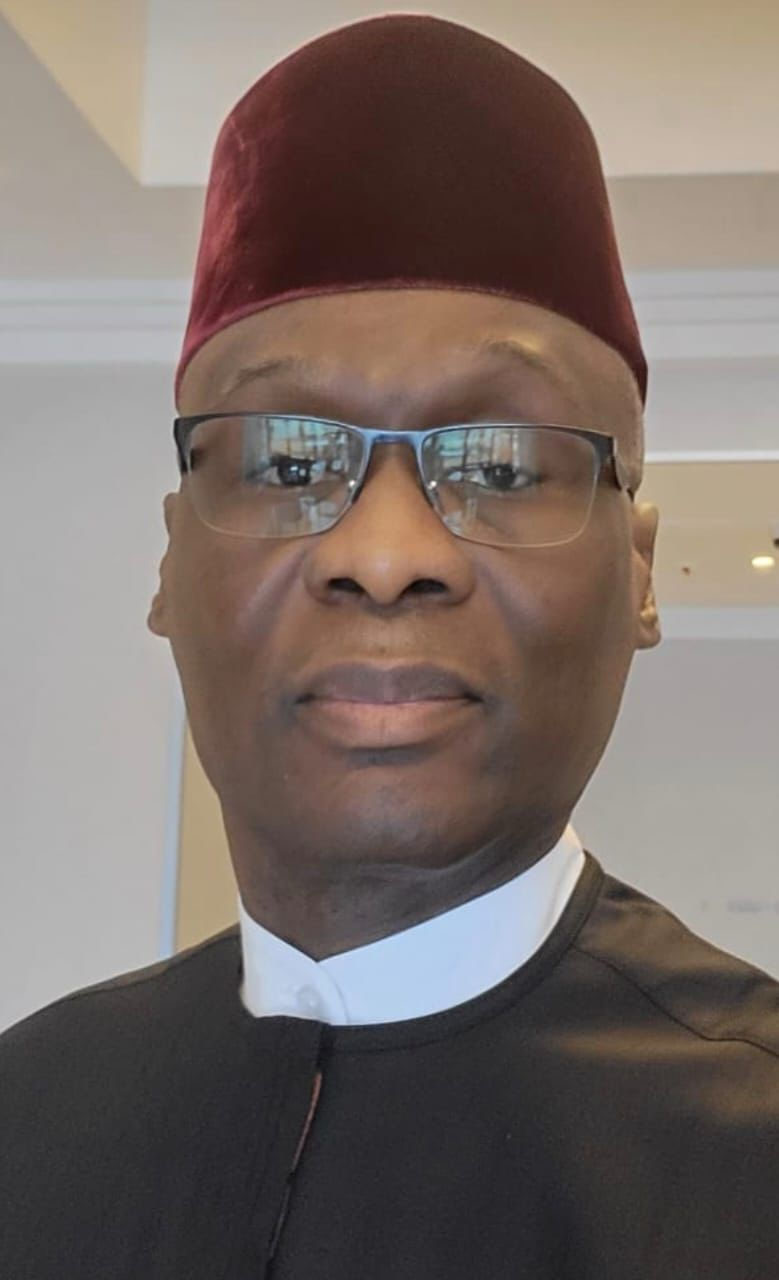
Ambassador Yusuf must breathe new life into this scheme. By expanding and enforcing it, he can empower pilgrims to plan ahead, reduce dependence on exploitative financing, and stabilize NAHCON’s revenue base. A robust savings scheme also ensures that allocations are matched with realistic financial capacity, preventing the annual scramble for funds. More importantly, it gives pilgrims dignity—the assurance that their journey is secure, their finances protected, and their faith respected.
4. Transparent Communication: Yusuf must engage pilgrims and the media directly, explaining costs, processes, and challenges. Transparency builds trust. Ambassador Yusuf must make transparent communication the cornerstone of his leadership. He must engage pilgrims directly, explaining in clear terms why fees are structured as they are, what logistical hurdles exist, and how the commission is working to overcome them. Again, embrace the media as a crucial stakeholder. The press is not an adversary; it is a partner in disseminating vital information. Journalists and digital platforms are the bridge between NAHCON and millions of Nigerians who rely on timely updates. When Yusuf speaks openly to the media, he empowers them to educate pilgrims, counter misinformation, and hold the commission accountable. Silence or half-truths only embolden critics and create fertile ground for rumor-mongering.
In fact, Yusuf’s diplomatic background makes him uniquely suited to this task. Diplomacy thrives on clarity, persuasion, and credibility—qualities that must now define NAHCON’s communication strategy. By instituting regular press briefings, publishing transparent reports, and maintaining open channels with stakeholders, he can rebuild confidence in the commission. Transparency is not a luxury; it is the lifeline of trust. And without trust, NAHCON cannot succeed.
5. International Leverage: His diplomatic skills must be used to secure better deals with Saudi authorities, ensuring Nigerian pilgrims are treated with dignity. Ambassador Yusuf’s greatest weapon is his diplomatic pedigree, and nowhere will this be more urgently needed than in Nigeria’s dealings with Saudi Arabia. The management of NAHCON in recent years has presided over a drastic reduction in Nigeria’s Hajj allocation—from a robust 105,000 pilgrims to a meager 50,000. This is not just a statistic; it is a national embarrassment. For a country with one of the largest Muslim populations in Africa, such a sharp cut signals a failure of negotiation, a collapse of credibility, and a betrayal of millions of faithful who dream of fulfilling their spiritual obligation.
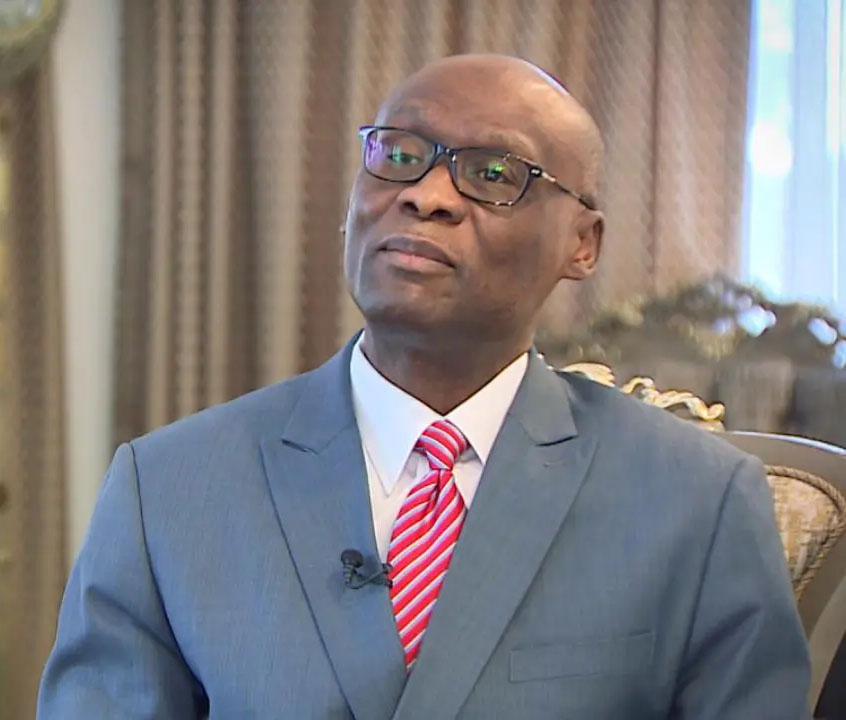
This is where Yusuf’s international leverage must come into play. Having served in Turkiye, Argentina, Italy, and China, he understands the language of diplomacy and the art of negotiation. He is not a novice who will be intimidated by Saudi bureaucracy or sidelined by competing interests. He knows how to build alliances, how to present Nigeria’s case with dignity, and how to secure concessions that matter. His task is clear: restore Nigeria’s rightful place in the global Hajj allocation and ensure that Nigerian pilgrims are treated with respect, not as an afterthought. Yusuf must insist that Nigeria’s pilgrims deserve the same standards of care as those from Malaysia, Indonesia, or Pakistan. He must use his diplomatic skills to negotiate fairer treatment in Saudi Arabia.
This is not a fight for prestige alone; it is a fight for justice. Every Nigerian pilgrim who saves for years to embark on Hajj deserves a dignified experience. Yusuf must therefore wield Nigeria’s diplomatic weight unapologetically. He must remind Saudi authorities that Nigeria is not a minor player but one of the major contributors to the global Hajj community.
Amb Yusuf’s background
Beyond the policies and reforms, Yusuf’s story is deeply human. He is not just a bureaucrat; he is a man who has spent his life in service. From his NYSC days at the Chamber of Commerce to his years abroad representing Nigeria, he has carried the weight of responsibility with quiet dignity. His appointment to NAHCON is not an accident—it is destiny. The man from Mubi who once studied Political Science now stands at the helm of an institution that shapes the spiritual lives of millions.
For pilgrims preparing for Hajj, his leadership is more than administrative. It is about trust. They want to know that the man in charge understands their fears, respects their feeling, and will fight for their welfare. Yusuf’s record suggests he will.
But success will depend on courage. He must confront corruption, enforce accountability, and insist on excellence. Anything less will be failure.
For Nigeria’s Muslim community, the stakes are high. Hajj is not just a journey; it is a pillar of faith. To mismanage it is to wound the soul of a nation. Yusuf must therefore rise above politics, bureaucracy and personal interest to deliver lasting reform. If he succeeds, his name will be remembered not just as a diplomat but as the man who gave dignity to Nigerian pilgrims. If he fails, NAHCON will sink deeper into dysfunction.
The choice is his. The responsibility is immense. And the time is now.
- Advertisement -