







By Ibrahim Muhammad
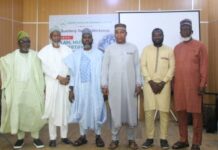
The Independent Hajj Reporters (IHR), a faith-based registered civil society organisation advocating transparency and effective policies in the Hajj and Umrah sector, has called on the National Hajj Commission of Nigeria (NAHCON) and State Muslim Pilgrims Welfare Boards to adopt an examination-based and merit-driven process for the appointment of Hajj officials.
In a statement signed by its National Coordinator on Tuesday, Ibrahim Muhammad, the organisation said the absence of a proper screening and assessment process for selecting Hajj officials at both state and national levels has negatively affected the quality of services rendered to Nigerian pilgrims in Saudi Arabia.
IHR urged state pilgrim boards to resist political pressure and ensure that only tested, trained and competent individuals are selected as Hajj assistants, rather than “transporting political foot soldiers who often create more problems than they solve during the pilgrimage.”
The organisation lamented that some appointed officials, who reportedly enjoyed the same services as pilgrims who paid as much as ₦8.5 million for the 2025 Hajj, still protested over what they described as inadequate Basic Travelling Allowance (BTA) while in Saudi Arabia. According to IHR, such conduct underscores the need for stricter selection measures in this years Hajj.
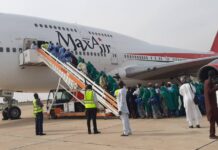
It warned that the embarrassment witnessed during the 2025 Hajj must not be repeated, noting that Nigeria is among over 162 countries participating in the pilgrimage and that such incidents undermine the country’s image.
Citing global best practices, IHR noted that Pakistan’s Ministry of Religious Affairs conducts competitive examinations through the National Testing Service (NTS), including written tests, interviews and physical assessments, to ensure merit-based selection of Hajj officials. Similarly, Bangladesh adopts a competency-based selection and training system, with clear criteria, quotas and schedules published annually to guide the process.
The group therefore urged NAHCON to introduce a formal screening process through examinations and to require successful candidates to sign undertakings clearly stating their duration of assignment, scope of duties, entitlements and other conditions necessary to support Nigerian pilgrims effectively while in Saudi Arabia.